83 years of energy. Prayerful hands. A home full of people.

Thankam Mami's living archive.

A gentle home on the web for recipes, village memories, stitching, sweaters, devotional notes, family photographs, conversations, and the quiet lessons she has carried from Nurani to Vadakkanthara, Baroda, and back through generations.

Her story

A village life, remembered before it fades.

This site is for the kind of knowledge that rarely enters books: how food is made in a real home, how cloth is repaired, how festivals are prepared for, how prayer settles a morning, and how younger girls are guided with affection rather than lecture.

Thankam Mami's journey begins in Palakkad, around Nurani, and continues into the Vadakkanthara / VKRV village world. Married in 1958, she later moved to Baroda and built a life around family, faith, conversation, food, and everyday care.

Loved ones still call her Thankam Mami. At 83, she remains energetic, enthusiastic, deeply spiritual, fond of talking to people, and always ready with advice that comes from a lifetime of watching homes, people, and seasons closely.

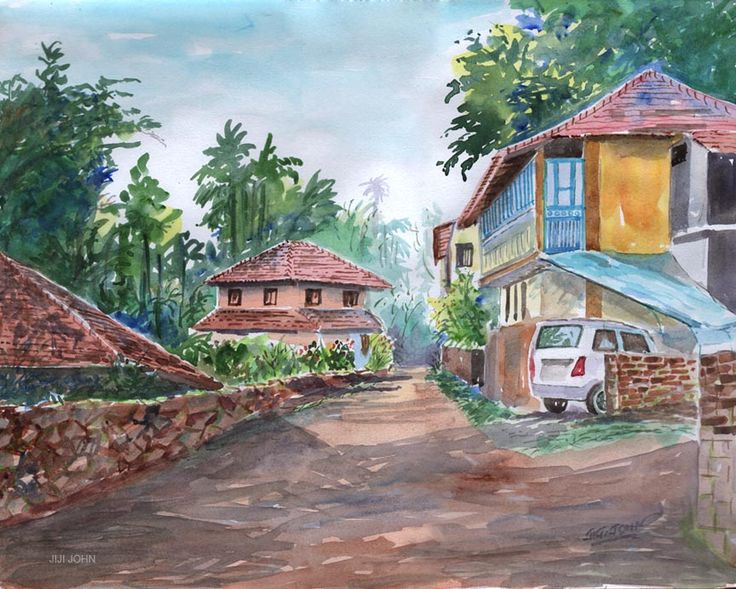
Traditional Kerala houses with tiled roofs
Vadakkanthara lanes, the place-memory beneath the archive.
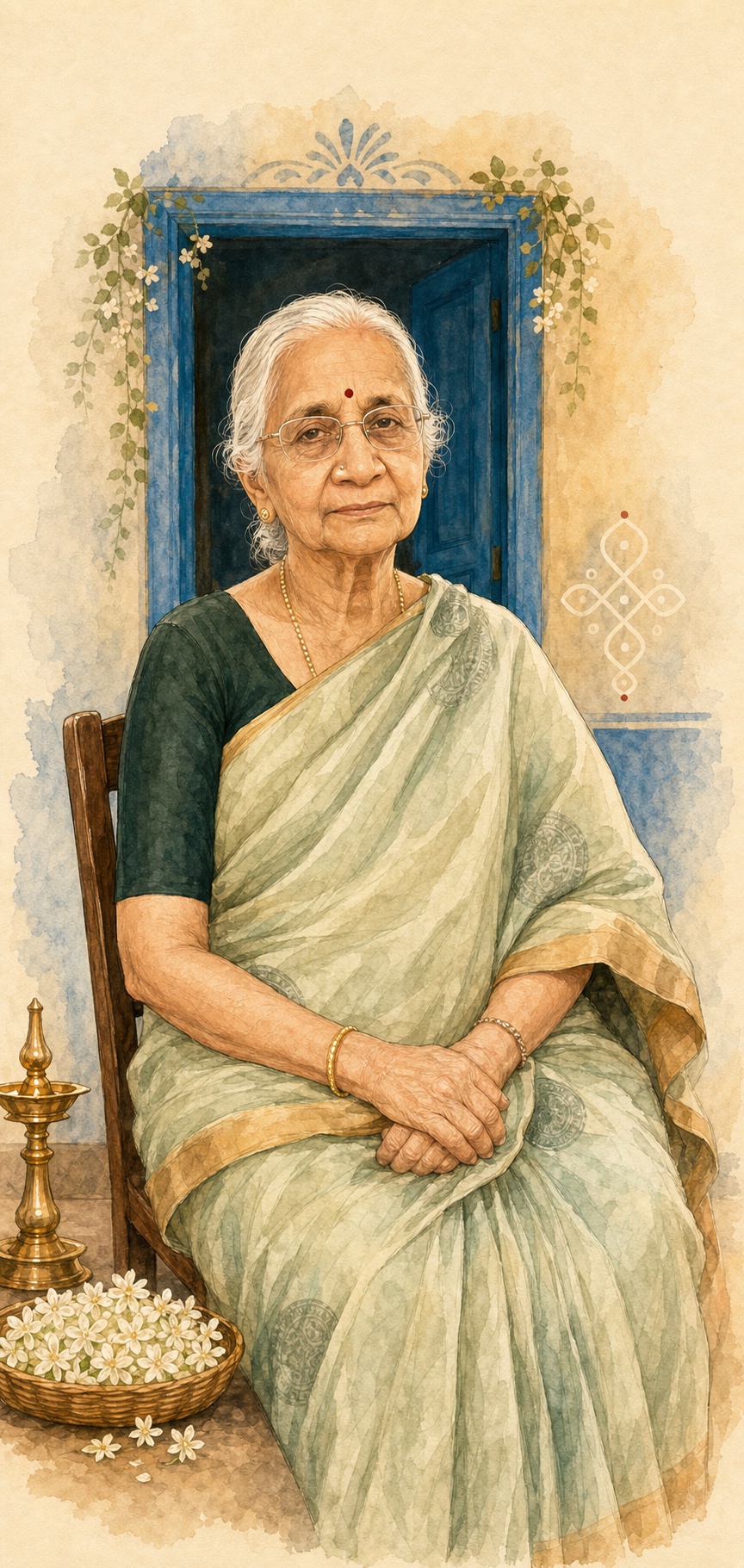
A warm watercolor caricature portrait of Thankam Mami in a blue sari
A gentle caricature for the family archive, inspired by her seated home portrait.

Drawn portrait

A little color, a little warmth, and unmistakably Mami.

Family tree

The people held inside this archive.

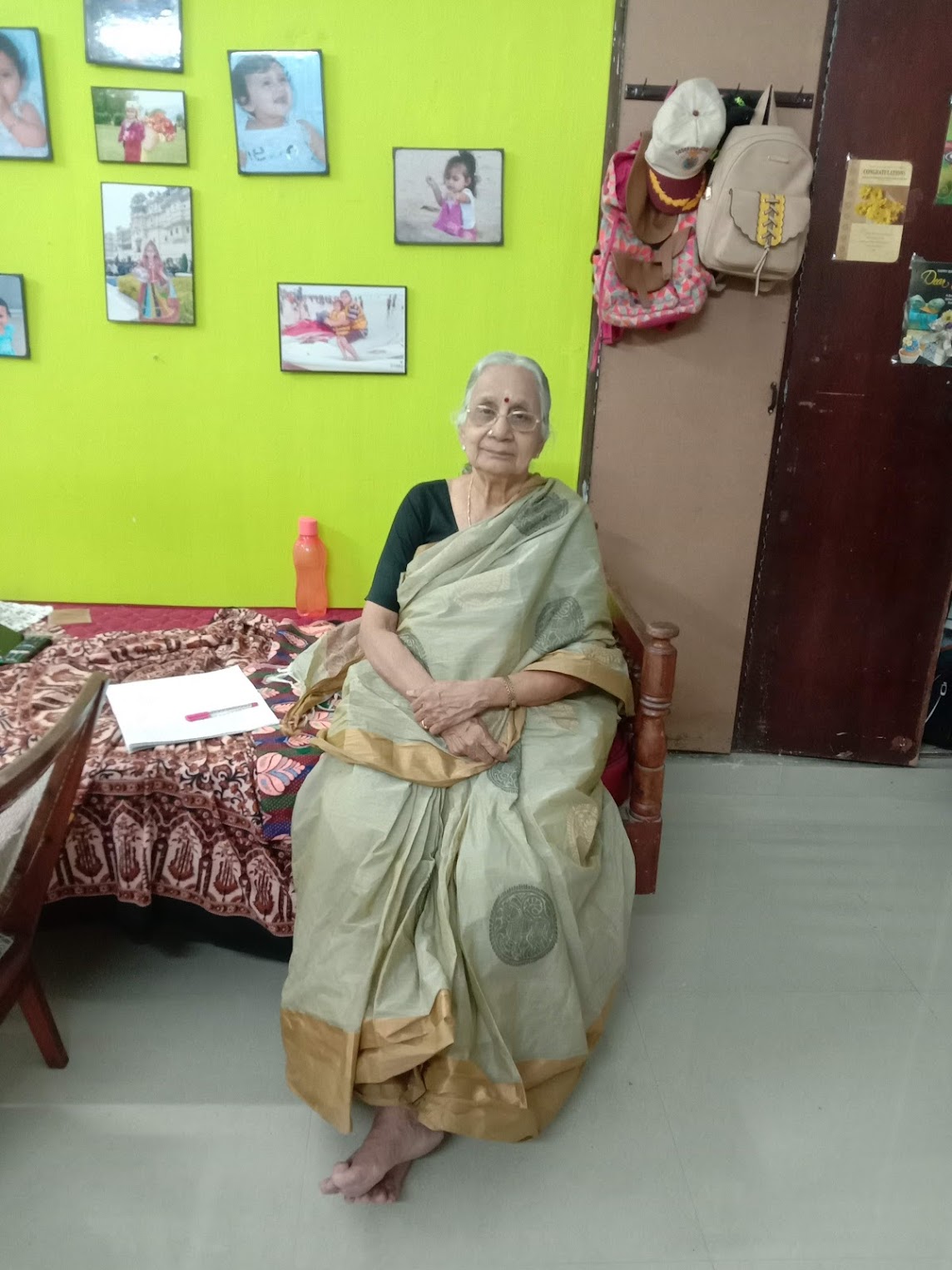
Thankam Mami seated at home
Thankam Mami, still full of presence and energy at home.
Children

Mohan, Jayashree, and Padma.

Grandchildren

Kedar, Aryan, Annapurna, Aparnaa, and Avantika.

Family by marriage

Murali and Cmde R. R. Ayyar, Ramki, Aryan's father and Padma's husband.

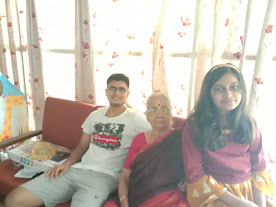
Thankam Mami with Aryan and Avantika
With Aryan and Avantika.
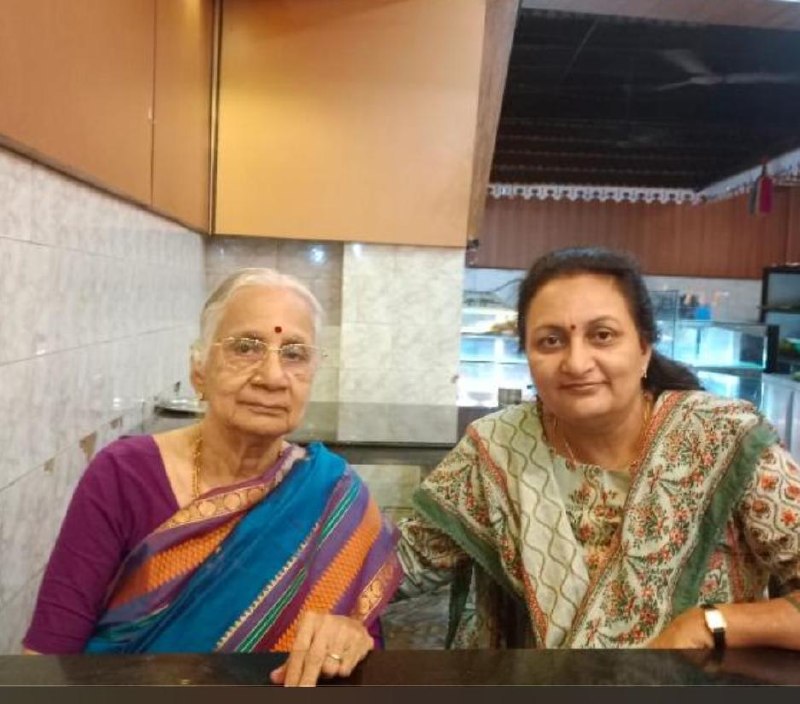
Thankam Mami seated with her daughter Padma
With her daughter Padma, Aryan's mother.

Kitchen notebook

Food that tastes like someone was waiting for you.

The first real upgrade is to sit with her and capture recipes in her own words: ingredients, order, texture, timing, and the small family story attached to each dish.

01

Everyday meals

Rice, sambar, vegetable sides, pickle, curd, and the order that makes the plate feel complete.

02

Tiffin and coffee

Evening snacks, filter coffee, visiting grandchildren, and the sound of steel tumblers.

03

Festival food

Offerings, sweets, flowers, lamps, and the dishes that mark the sacred calendar.

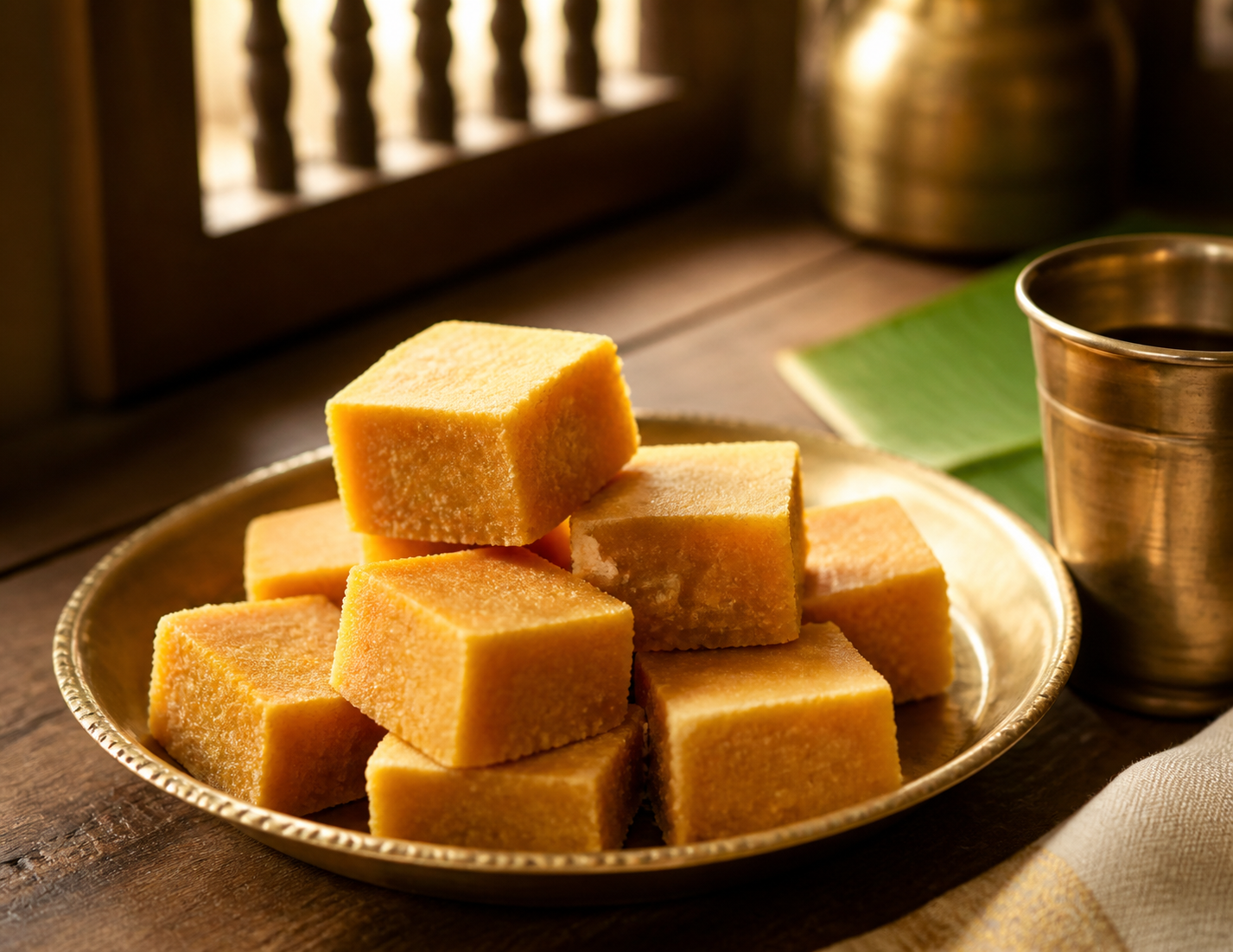
Golden Mysore Pak pieces on a brass plate
Mysore Pak, the sweet she loves making for Aryan.

For Aryan

Mysore Pak as affection.

Some recipes are not just recipes. Thankam Mami is especially fond of cooking, and one of her sweetest rituals is making Mysore Pak for her grandson Aryan: ghee, gram flour, sugar, patience, and the kind of love that arrives in a steel box.

Hands that make

Stitching, sweaters, dolls, repairs, and useful beauty.

A proper gallery can hold the work that usually disappears into daily life: sweaters made patiently, clothes altered to fit, dolls made by hand, and small repairs that stretch the life of beloved things.

  • Stitching notes and tiny household fixes
  • Sweaters, patterns, and handwork photographs
  • Dolls, gifts, and keepsakes from her hands

Prayer room

A home with devotion at its center.

The spiritual part of the site can become a soft archive of shlokas, temple visits, festival memories, morning routines, and the counsel she gives when someone needs steadiness. Her evening rhythm also carries a daily written prayer: journaling at night, including writing "Sri Rama Jaya Rama, Jaya Jaya Rama" 108 times.

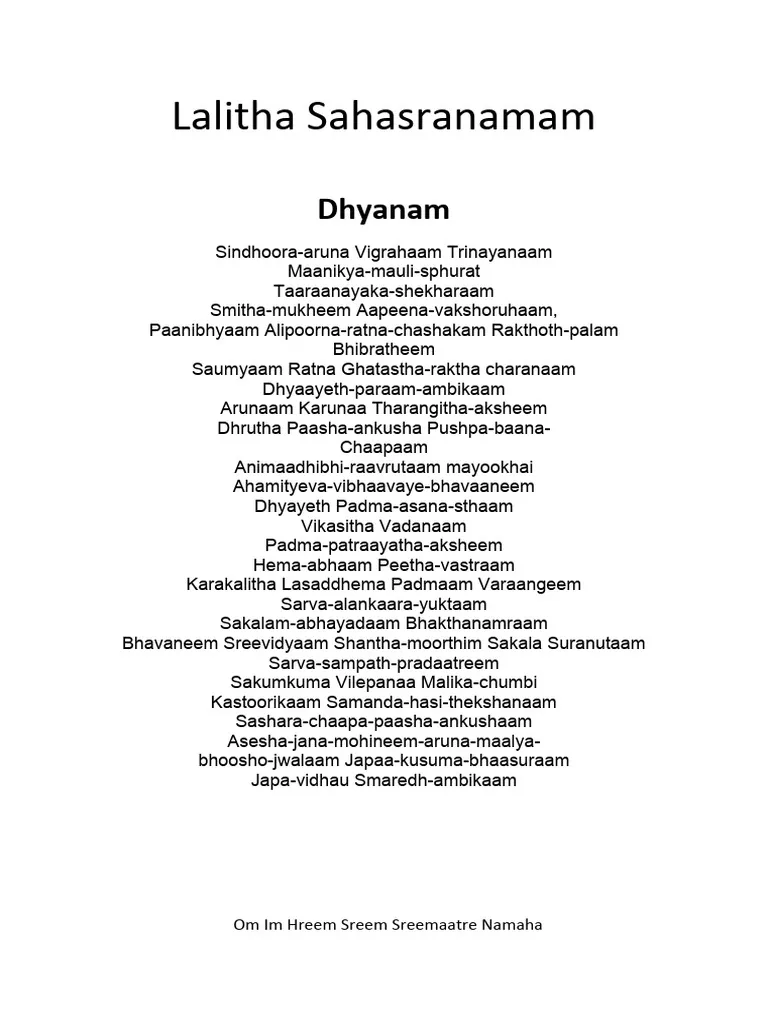
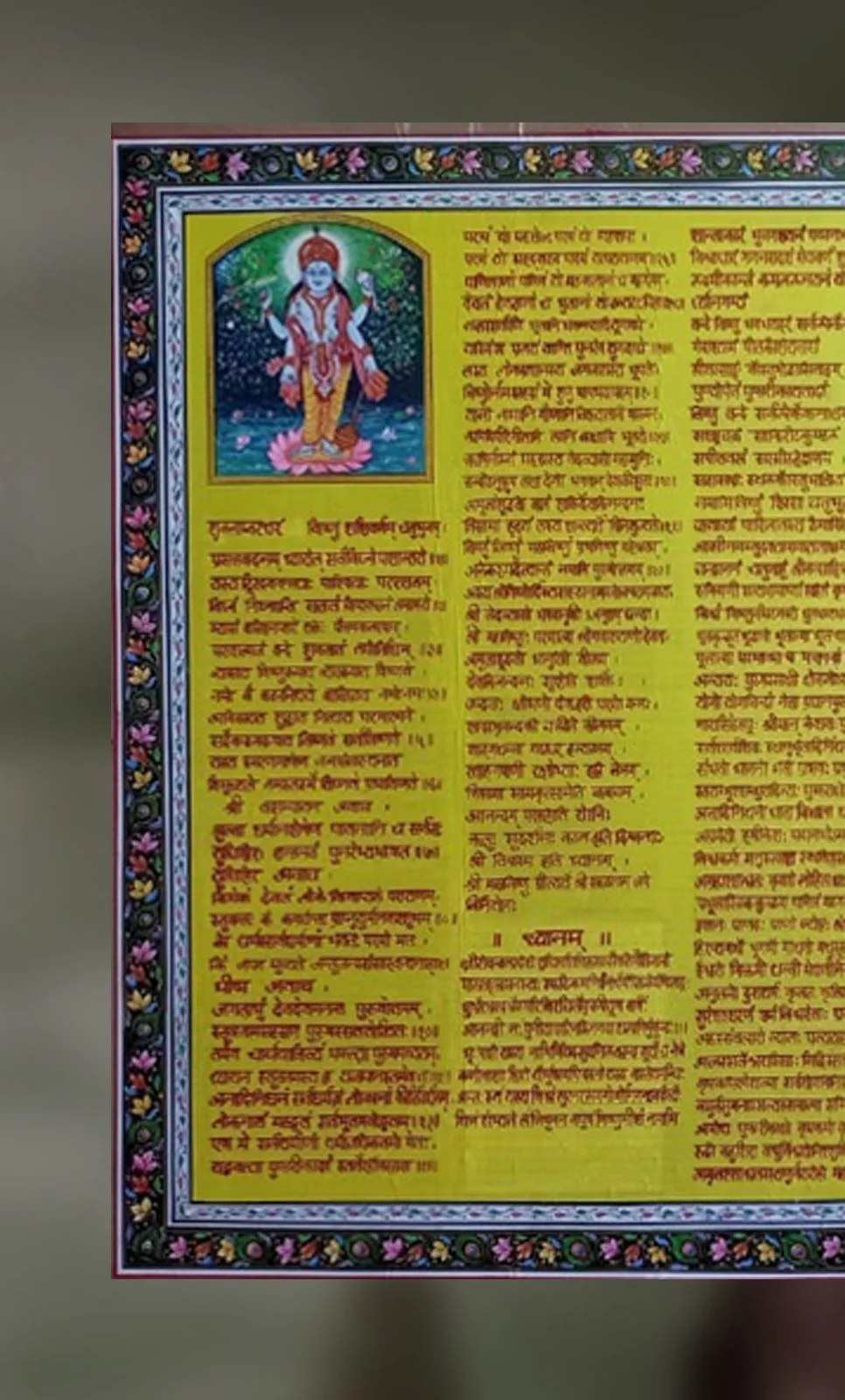
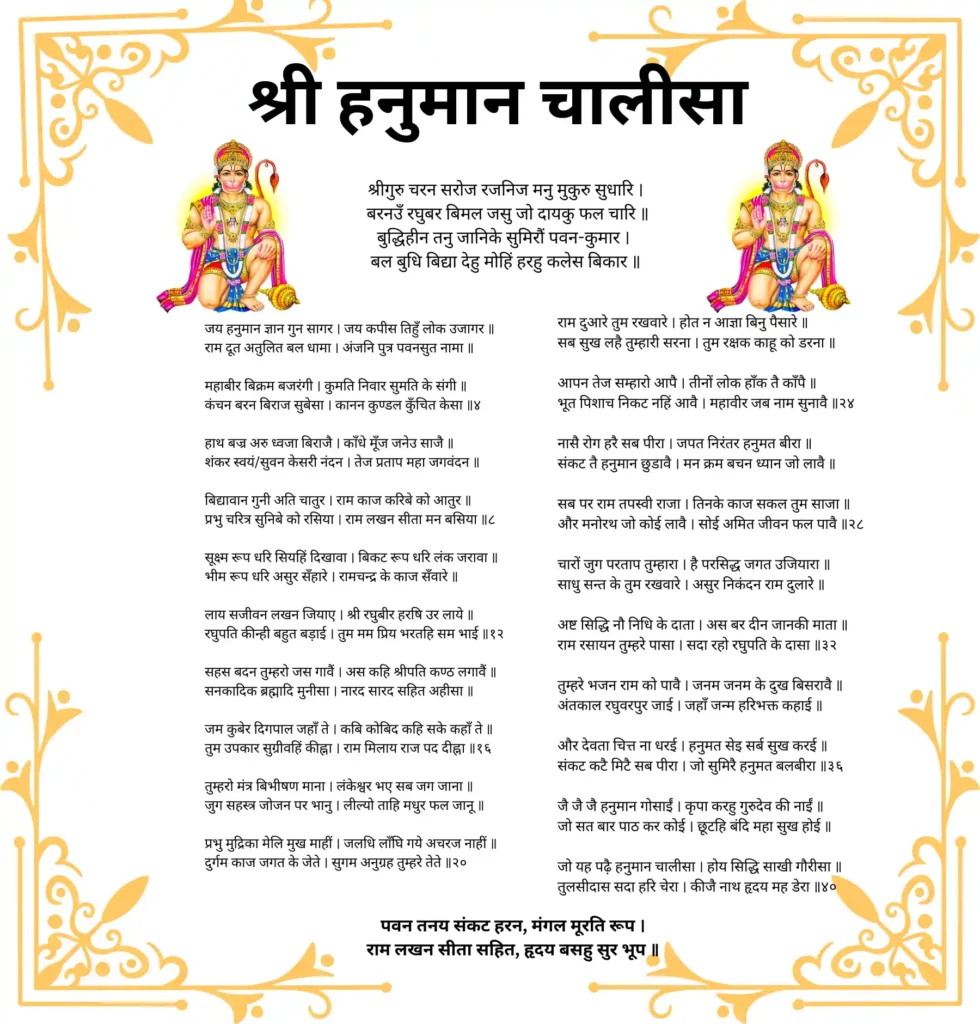
Lalitha Sahasranamam text Vishnu Sahasranamam devotional page Hanuman Chalisa devotional page
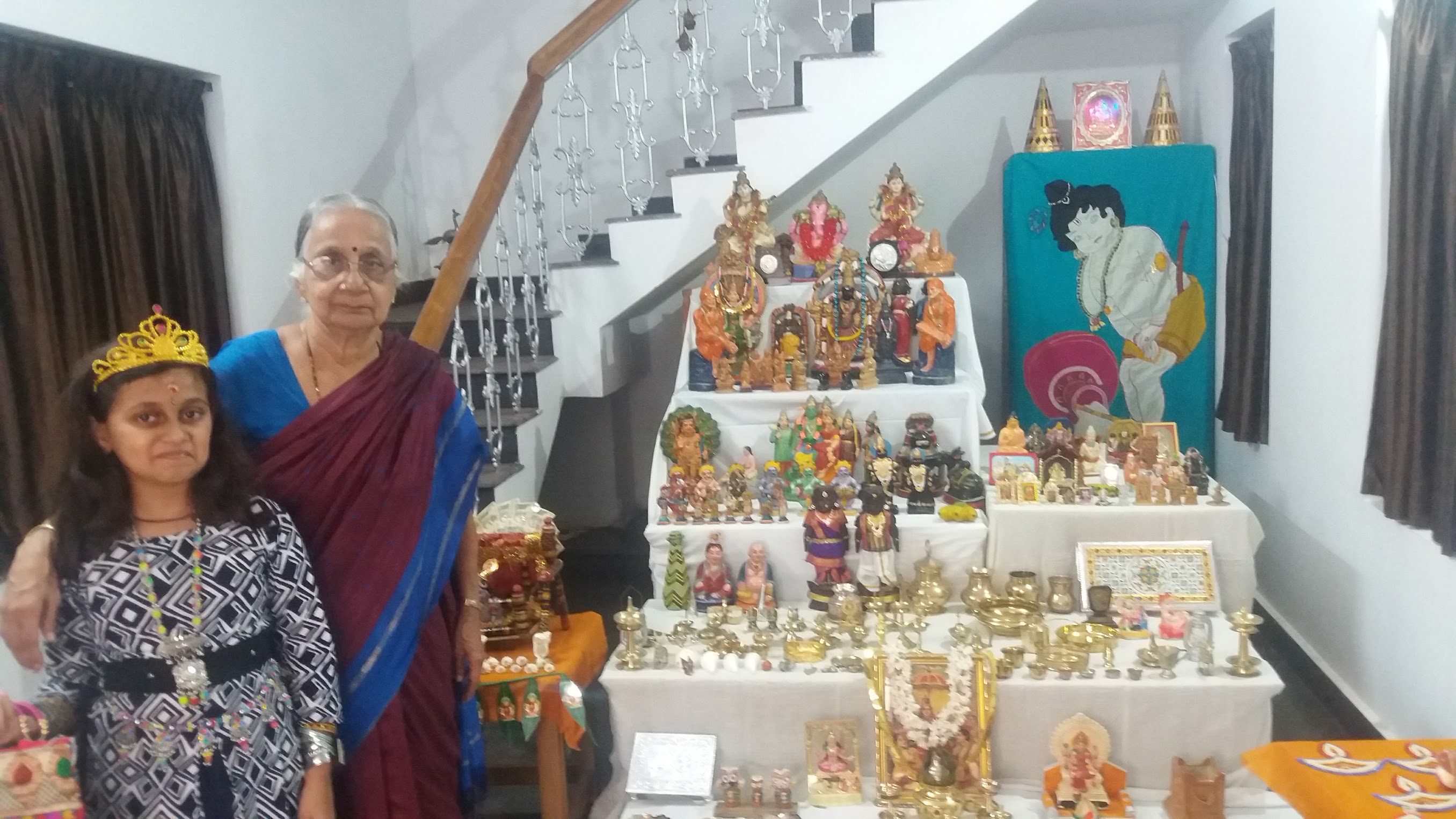
Thankam Mami with her granddaughter beside the family Golu arrangement
Thankam Mami with her granddaughter beside the Golu, passing a tradition forward.

First post

Why a South Indian home should keep Golu.

For Thankam Mami, Golu is not decoration. It is a yearly act of memory. Every doll taken out, dusted, arranged, and worshipped carries a story: a festival from her childhood, a gift from a relative, a deity who has watched over the house, a child who once stood nearby asking questions.

These are not habits she invented alone. She learnt many of these things from her own grandmother first, by watching, helping, listening, and slowly understanding why a home repeats certain sacred acts every year. That is why she loves passing the same wisdom onward: from her generation to her children, grandchildren, and the young women who come to her for advice.

She has kept Golu for more than 30 years without a break. That continuity matters. A home changes: children move away, cities change, routines become busy, and the body gets older. But when Golu returns every Navaratri, the house remembers itself. Lamps are lit, visitors come, songs are sung, prasadam is shared, and the younger ones learn that tradition is not a lecture. It is something they can see, touch, taste, and help arrange.

Her advice to young married women is simple: do not wait for a perfect house, a big budget, or a grand collection. Start with what you have. Keep a small padi if needed. Place a few dolls with care. Invite people with warmth. Let children help. Write down what you did each year so the next year becomes easier. The point is not display; the point is devotion, order, hospitality, and keeping the family connected to its roots. Encourage other households also to do the same, because a tradition becomes stronger when it is shared without pride and continued without a break.

Keep Golu because it teaches the house to pause, gather, pray, welcome people, and remember where its wisdom came from.

In her way of seeing, Golu trains a young household in many quiet virtues: planning ahead, cleaning carefully, respecting elders, feeding guests, explaining stories to children, and making beauty without waste. It gives women a sacred reason to create community inside the home. It also reminds the family that culture survives only when someone takes the trouble to do the small things every year, and then teaches the next person to take that trouble with love.

Second post

Why children should listen to Sahasranamam.

Thankam Mami would not describe Vishnu Sahasranamam or Lalitha Sahasranamam as background music. In a South Indian home, these chants are a way of bringing the child near something steady: a rhythm older than the day's anxieties, a language that asks for attention, and a sound that makes the home feel anchored.

For young boys and girls, the first step need not be memorising every name. It can simply be listening with respect for a few minutes: during morning prayer, while lamps are lit, or in the evening when the house becomes quiet. Slowly the ear learns the cadence. The tongue begins to recognise familiar sounds. The mind, which is usually pulled toward screens and restlessness, gets a small daily training in returning to one thing.

The scientific case should be stated carefully. Research does not prove that one specific hymn magically improves every child. What it does suggest is more grounded: repetitive chanting and mantra-based meditation can support attention, reduce anxiety and stress, slow breathing, build emotional regulation, and create social connection when done together. Studies on long-term Vedic recitation also show how intense oral memorisation is associated with brain systems involved in language and memory.

What the research supports

  • Focused repetition gives the mind a simple object, which may reduce wandering and rumination.
  • Rhythmic chanting often slows the breath, which is linked with relaxation and stress regulation.
  • Group chanting can increase a sense of connection and shared calm.
  • Learning verses by sound exercises memory, pronunciation, listening, and disciplined recall.

This is why the advice is practical: let children listen first, then chant a few lines, then learn the meaning of a few names. Do not make it a punishment or a performance. Let it be a family rhythm. A boy who learns to sit quietly for ten minutes is learning self-command. A girl who hears these names every evening is inheriting language, music, devotion, and memory. Both are being taught that the mind can be trained gently, without shouting at it.

Let children hear sacred sound early, so calmness becomes familiar before life becomes noisy.

Thankam Mami's way would be simple: play it at home, pronounce it with care, tell children one story at a time, and let them see elders practising it with love. If the chant becomes part of the house, children do not experience tradition as a lecture. They experience it as sound, memory, breath, and belonging.

Third post

The benefits of a perfectly made filter coffee.

For Thankam Mami, filter coffee is not just a drink. It is a small discipline of the morning: choose the right powder, warm the milk properly, let the decoction fall slowly, pour with attention, and only then sit down. A careless coffee wakes the tongue but not the mind. A well-made coffee prepares a person to begin the day with steadiness.

The blend matters first. The roast should have body, aroma, and just enough bitterness to hold the milk. Too weak, and the coffee becomes only sweet milk. Too harsh, and it loses its grace. The best blend has balance: strength without anger, fragrance without fuss, and a finish that stays in the mouth after the tumbler is empty.

The filter matters just as much. A good South Indian filter does not hurry. The top chamber holds the powder, the hot water sinks through it, and the bottom chamber receives the dark decoction drop by drop. This slowness is the point. It teaches the house that not everything improves by being rushed.

01

Pack the powder

Use fresh powder and press it gently, enough to hold shape without choking the flow.

02

Wait for decoction

Pour hot water, close the lid, and let the filter do its quiet work without disturbance.

03

Mix with care

Add hot milk, sweeten lightly if needed, and pour between tumbler and davara for foam.

Coffee also has a real bodily effect. Caffeine can support alertness, attention, and mood for many people when taken moderately, though it is not magic and it does not suit every body at every hour. Thankam Mami's version of the advice would be simple: do not drink coffee like a machine. Drink it with awareness. Notice the heat, the aroma, the first bitterness, the sweetness, and the quiet lift that comes after.

A good coffee should wake the mind without making the heart restless.

This is where mindfulness enters. The perfect tumbler is not only about taste; it is about how one receives it. Sit down. Do not scroll. Do not gulp. Let the coffee become a pause between work and prayer, between household noise and clear thought. In that pause, the beverage becomes more than caffeine. It becomes attention.

She would also say that coffee should not end with coffee. After a good tumbler, one must talk: about books, family, politics, finance, music, temple memories, science, and the questions that make the mind sharper. In old homes and old cafes, coffee was often followed by discussion. The drink warmed the body; the conversation warmed the intellect.

There is even a lovely scientific metaphor here: stochastic resonance. In nonlinear systems, a small and well-balanced amount of noise can sometimes help a weak signal become easier to detect. Too little stimulation, and the mind stays dull. Too much, and it becomes scattered. But the right amount of warmth, caffeine, background bustle, and conversation can lift a quiet thought into clarity.

That is why places like Hariharaputra matter in Palakkad memory. It is often spoken of as an old-school vegetarian landmark, the kind of place where food, coffee, and familiar faces carry more value than polished decor. A cafe like that is not only a place to eat. It is a social filter: people arrive with scattered thoughts, sit with coffee, and leave after a conversation that has clarified something.
For younger girls

What she knows should be inherited.

Keeping a home

Kitchen rhythm, hospitality, saving, cleaning, and the skill of making a house feel held.

Care without noise

Noticing what people need, feeding them before they ask, and giving advice without harshness.

Simple living

Repair before replacing, preserve before discarding, and let ordinary days have dignity.

Blog starter

A nightly page, a steady prayer.

She stresses the importance of journaling every night: writing down the day, settling the mind, and repeating "Sri Rama Jaya Rama, Jaya Jaya Rama" 108 times as a quiet evening discipline.

Aryan Ayyar, Thankam Mami's grandson

Made by her grandson

A note from Aryan.

I am Aryan Ayyar, Thankam Mami's grandson. My work is in financial mathematics and quantitative finance, especially the small signals, market structures, and decision rules that shape how real markets move.

I made this website for my Thathi because some forms of knowledge should not be allowed to disappear quietly: her recipes, prayers, stories, advice, humour, discipline, and the way she turns a house into a place where people feel held. This archive is my way of keeping her voice close, and of giving the next generation a place to learn from her.

Visit Aryan's website